How Much Does It Cost to Hire a Web Developer?
The cost to hire a web developer can swing from a few hundred dollars to five figures for the same project. Here's what actually drives the number, and how to budget without overpaying.

Debajoyti Paul
Design Engineer
July 12, 2026
6 min read
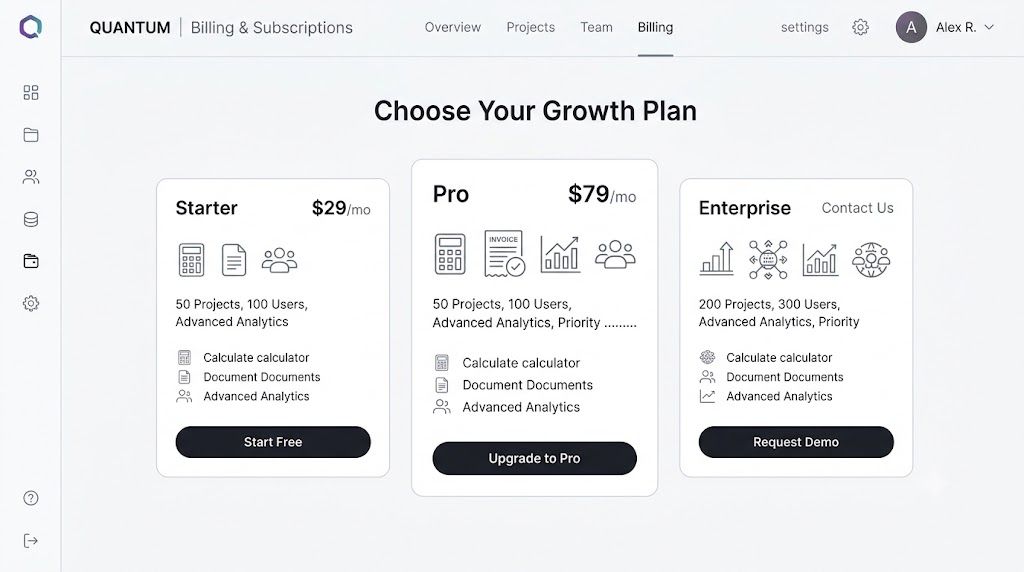
Ask five web developers what a website costs and you'll get five completely different numbers one quotes $500, another $5,000, another $25,000, for what sounds like the same project on paper. It's not usually because someone's trying to rip you off, though that does happen. It's because "a website" isn't one product, it's a category, the same way "a vehicle" covers both a bicycle and a freight truck. Before you can budget for a developer, you need to understand what actually drives the cost to hire a web developer. That's the only way to tell a fair quote from an inflated one, and a cheap one from a corner-cutting one.
Why the Same Project Gets Wildly Different Quotes
Two people can describe "a website" and mean completely different builds. One means five static pages with a contact form. The other means a custom-designed site with a CMS, a booking system, and a payment gateway. Scope, not the word "website," is what sets the price. Complexity matters. So does the number of unique page types, not just page count. So does how custom the design needs to be versus working from a template. A rush turnaround pushes the number up too, since it usually means a developer clearing other work to prioritize yours.
Freelancer vs. Agency vs. In-House: How the Pricing Models Differ
Freelancer : Leaner overhead. One person handles design, build, and often strategy directly. Usually the most cost-effective route for small-to-mid scope work, priced hourly or as a fixed project fee. The trade-off is capacity. One person can only move so fast. If they get sick or overbooked, there's no backup the way there is at an agency.
Agency : A team covering design, development, project management, and QA, often with account management layered on top. You're paying for that structure as much as the code itself. That's why agency quotes typically run noticeably higher for comparable scope. It makes more sense for larger builds, tighter deadlines that need multiple people working in parallel, or ongoing complex work.
In-house hire: The highest fixed monthly commitment once you factor in salary, benefits, and equipment. That cost holds steady regardless of how much work is actually available week to week. It only makes financial sense when you need a developer full-time, indefinitely, with enough ongoing work to justify it.
Hourly vs. Fixed-Price: Which One Actually Protects You
Beyond who you hire, how you're billed changes your risk. Hourly billing is transparent about effort but leaves the total cost open-ended a vague brief can quietly balloon into far more hours than either side expected. Fixed-price billing caps your cost, but only if the scope is nailed down in writing beforehand. Any "quick addition" outside that scope becomes a change order, not a favour. Neither model is inherently better. A small, well-defined project usually favours fixed-price. An evolving project with an unclear end state is often fairer billed hourly, with regular check-ins on hours spent.
What Actually Pushes the Price Up
A handful of factors account for almost all the spread between a $1,000 quote and a $15,000 one:
Custom design versus a pre-built theme or template a from-scratch design means more design hours before a single line of code is written.
The number of unique features or page templates, not just total pages ten pages using one template cost far less than five pages that each need their own layout.
E-commerce and payment processing, especially multi-currency support or subscription billing, which adds real integration and testing time.
Third-party integrations CRMs, booking systems, custom APIs since every external service is one more thing that can break and needs to be accounted for.
Migrating content and data from an old site. This step is often underestimated, and can take as long as building new pages.
Ongoing maintenance and hosting support, which is usually a separate line item from the build cost itself, not included by default.
A Realistic Ballpark: The Real Cost to Hire a Web Developer
Treat these as a rough compass, not a quote. Actual pricing should always be scoped against a written brief, not a search result, and rates vary a lot by region and experience level:
Simple landing page or brochure site (a handful of pages, template-based): generally the low end, often a few hundred to low thousands.
Small business site with a CMS and custom design: typically low-to-mid thousands.
E-commerce store: mid-thousands and up, scaling with catalog size and integrations.
Custom web application (logins, dashboards, custom business logic): anywhere from several thousand into five figures, sometimes more, entirely dependent on scope.
The Questions That Reveal the Real Cost
A quote number means nothing without context, especially once you see how much the cost to hire a web developer can swing on scope alone. Before comparing two quotes, ask both developers:
What exactly is included how many design rounds, how many rounds of revisions, is content entry included or is that on you?
What happens after launch is there a maintenance or support cost, and what does it actually cover?
Who owns the code and design files once the project is delivered? Some cheaper quotes quietly keep this leverage for themselves.
Is this fixed-scope or time-and-materials, and what's the process if the scope changes mid-project?
How to Budget Without Overpaying or Under-spending
Get two or three quotes against the exact same written brief, not a vague verbal description. That's the only way to compare apples to apples instead of comparing unrelated assumptions. Treat the cheapest quote with a healthy dose of suspicion. A low price has to come from somewhere fewer design hours, no testing, a cheaper template, or corners cut on structure that cost more to fix later than they saved upfront. Decide your non-negotiables before you start shopping: mobile responsiveness, page speed, basic SEO. That way a lower number doesn't quietly leave one of them out without you noticing until after launch.
When I scope a project for a client, I price against what the site actually needs to do for their business, not a flat per-page rate. That's usually the difference between a quote that holds up and one that balloons halfway through. If you want a straight, scoped estimate one that reflects the real cost to hire a web developer for your specific project feel free to reach out.
Planning a business website budget
The indicative US$700–800 business WordPress scope covers up to five pages and three reusable layouts. Australian clients receive an AUD quote using the rate when quoted. Compare the included scope, exclusions and 30/40/30 milestones before deciding. For an editable service website, explore the business WordPress build.
Related Reading
Website Design, Development, and Marketing: Why Your Agency Split is Costing You
You hired a designer for the mockup, a developer to build it, and a marketer to drive traffic. Three invoices. Three timelines. Three different visions for what the site should do. There's a better way.
Website Builders vs Custom Web Development: Which One Actually Fits Your Business?
Website builders vs custom web development the right choice depends on your business stage, not just your budget. Here's how to know when a builder is genuinely enough, and when it quietly caps your growth.
Written by
Debajoyti Paul
Freelance design engineer with 3+ years building high-converting Next.js and WordPress sites for startups and small businesses.
More about me →