How to Find a Reliable Web Developer for Your Project
Hiring the wrong developer costs more than money it costs time, credibility, and search visibility. Here's exactly what to look for, what questions to ask, and which red flags mean you should walk away, before you commit to anyone.

Debajoyti Paul
Design Engineer
July 6, 2026
5 min read
You've got the idea. You've maybe even sketched the pages in your head. But the moment you start looking for someone to actually build it, the search turns into a maze freelance marketplaces full of identical portfolios, agencies quoting wildly different prices for the same brief, and DMs from "developers" who disappear after the deposit.
Finding a reliable web developer isn't about luck. It's about knowing exactly what to look for and what to avoid before you commit a single rupee or dollar. Here's the complete guide.
Why This Decision Matters More Than You Think
Your website isn't a one-time purchase it's infrastructure. A bad hire doesn't just cost you money; it costs you:
Time weeks or months lost to rewrites and missed deadlines
Search visibility poorly built sites often fail on speed and SEO basics
Credibility a broken or outdated site quietly repels the customers you worked hard to attract
Getting this one decision right upfront saves you from most of the pain that follows.
Signs of a Reliable Web Developer
Before you even look at pricing, run any candidate through this checklist.
1. A Portfolio With Real, Live Projects
Anyone can show polished screenshots. A trustworthy developer links to live, working websites not just Dribbble mockups. Click through a few. Check if they load fast, work on mobile, and actually reflect the industries they claim to have served.
2. They Ask Questions Before Quoting a Price
A reliable developer wants to understand your business before naming a number. If someone quotes you a fixed price within minutes of hearing "I need a website," that's a red flag they're selling a template, not a solution.
3. Clear, Written Communication
Watch how they communicate during the sales conversation itself. Do they explain technical decisions in plain language? Do they respond within a reasonable time? This is exactly how they'll behave once you're mid-project and something needs fixing.
4. Transparent, Milestone-Based Pricing
Good freelancers and agencies break payment into stages for example, an upfront deposit, a milestone after design approval, one after development, and a final payment on delivery. This protects both sides and shows the developer is confident enough in their process to be held accountable at each step.
5. They Talk About Performance and SEO, Not Just Looks
A site that looks beautiful but loads slowly or ranks nowhere on Google isn't doing its job. Reliable developers mention Core Web Vitals, responsive design, and basic on-page SEO without you having to ask.
6. Reviews or References You Can Actually Verify
Testimonials on a website are a start, but ask for a direct introduction to a past client, or check reviews on Google, Clutch, or Upwork where they can't be edited after the fact.
Where to Actually Look
Referrals first. Ask other founders or business owners who built their own site. A recommendation from someone who has already been through the process beats any marketplace listing.
Portfolio-led freelancers. Search for developers who specialize in your type of project (e.g., "Next.js developer for startups" or "WordPress developer for small business") rather than generalists who "do everything."
Freelance platforms like Upwork or Toptal, filtered by verified reviews and completed project history not just star ratings.
LinkedIn and niche communities many of the best independent developers aren't actively "for hire" on marketplaces at all; they get work through visible, consistent presence in their niche.
Questions to Ask Before You Hire
Bring these to your first call the answers will tell you more than any portfolio:
Can you walk me through a recent project, including what went wrong and how you handled it?
What's your payment structure, and what happens if timelines slip?
Who will actually own the code and hosting once the project is done?
Will the site be built on a platform I can update myself, or will I depend on you for every change?
What's your process for revisions after launch?
Red Flags to Watch For
Full payment requested upfront
No written contract or scope document
Vague answers about technology or hosting
Pressure to decide immediately
A portfolio you can't independently verify
Freelancer, Agency, or No-Code Which Fits You?
Best for Trade-off Freelance developer Startups and small businesses wanting direct communication and flexible pricing Limited bandwidth for very large projects Agency Larger projects needing multiple specialists at once Higher cost, less direct access to the person actually building it No-code builder Quick launches with simple requirements Less flexibility as your needs grow
For most small businesses and startups, a specialized freelance developer someone who shows you real, live work and communicates like a partner rather than a vendor hits the best balance of cost, speed, and quality.
The Bottom Line
A reliable web developer isn't the cheapest option or the one with the flashiest pitch. It's the one who asks good questions, shows verifiable work, communicates clearly, and structures payment in a way that keeps both sides accountable. Take the time to check these boxes before you hire, and the rest of the project gets a lot easier.
Looking for a developer who checks every box on this list? See my work or get in touch to talk through your project.
Check the work and the agreement
Ask who contributed to each example and what was actually delivered. Review my published WordPress projects and contributions, then compare the preview and milestone process. A written scope and payment schedule should be clear before any deposit.
Related Reading
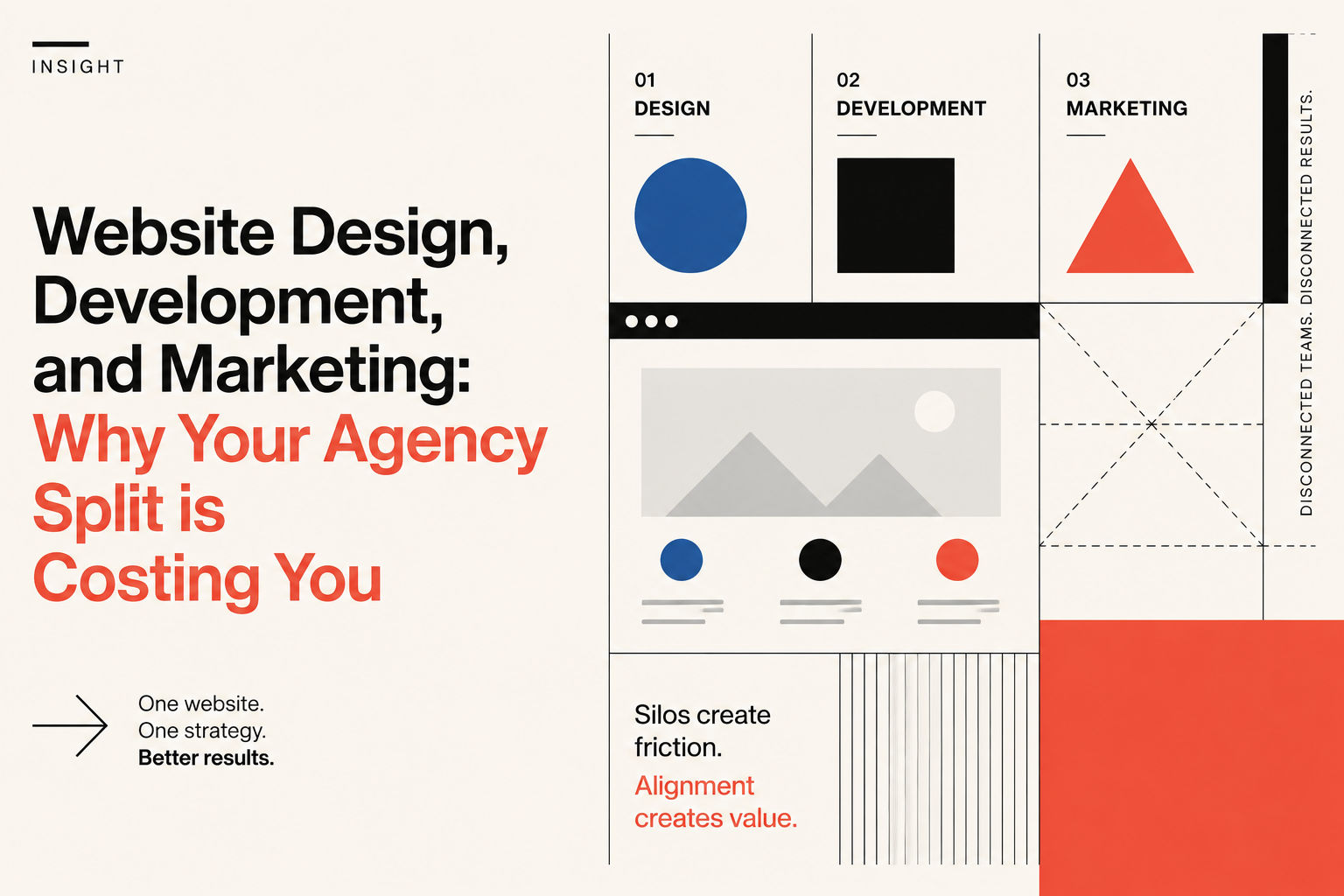
Website Design, Development, and Marketing: Why Your Agency Split is Costing You
You hired a designer for the mockup, a developer to build it, and a marketer to drive traffic. Three invoices. Three timelines. Three different visions for what the site should do. There's a better way.
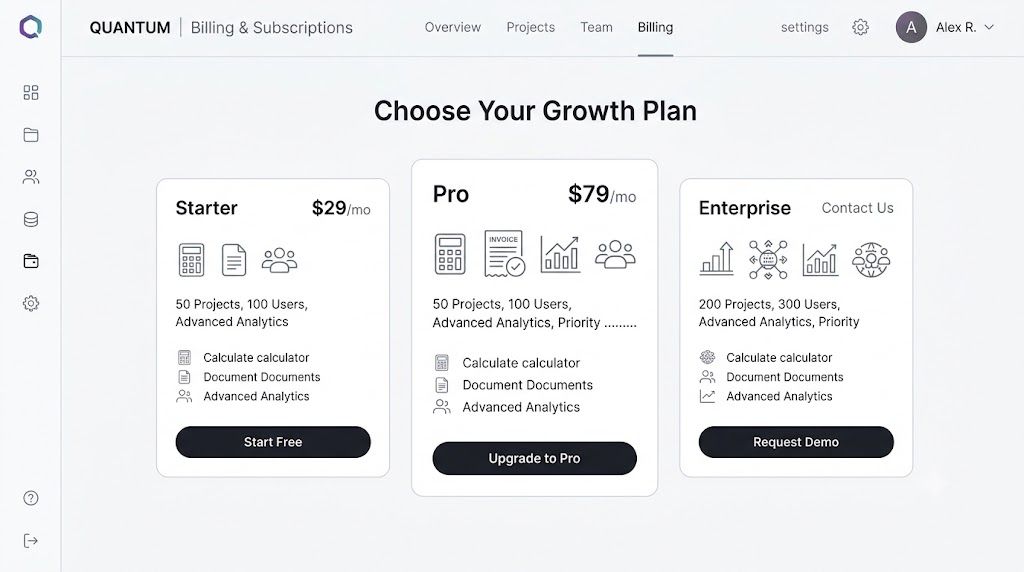
How Much Does It Cost to Hire a Web Developer?
The cost to hire a web developer can swing from a few hundred dollars to five figures for the same project. Here's what actually drives the number, and how to budget without overpaying.
Written by
Debajoyti Paul
Freelance design engineer with 3+ years building high-converting Next.js and WordPress sites for startups and small businesses.
More about me →