How to Find Web Developers in Your City or Region (What I Learned the Hard Way)
I've hired developers for my own projects before, and got it wrong more than once. Here's how I'd actually find web developers in your city or region now, and the mistakes it's built to avoid.

Debajoyti Paul
Design Engineer
July 9, 2026
6 min read
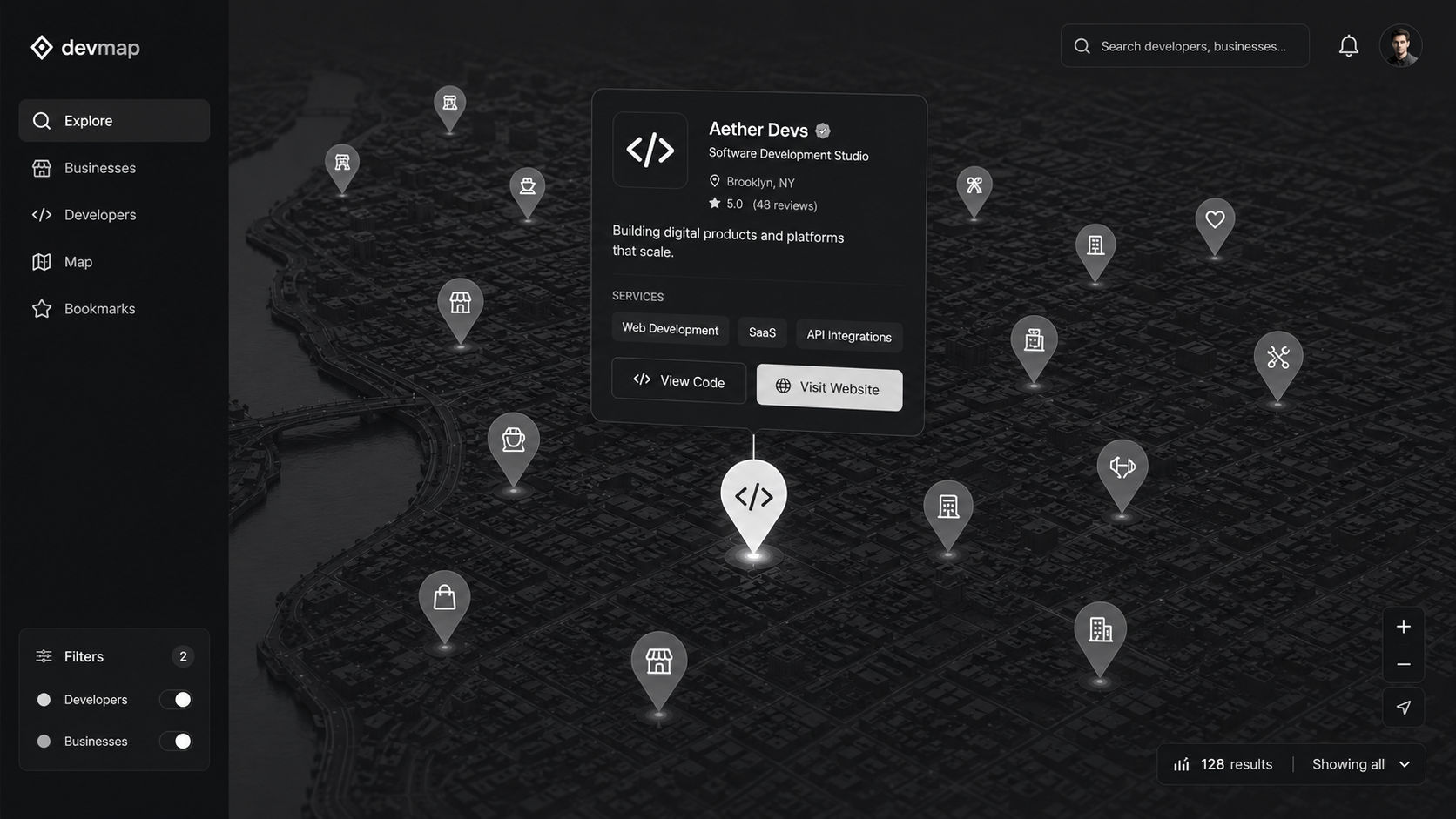
A while back, I needed extra hands on one of my own projects. I'd hit the point where I couldn't build everything myself fast enough, so I went looking for a developer to bring in the same way any business owner does when they decide it's time to stop doing it all solo.
I made the mistake most people make. I went straight to a generic freelance platform, picked someone based on a polished profile and a decent rate, and figured the rest would sort itself out.
It didn't. Communication was slow. Feedback loops stretched out over days because we were rarely online at the same time. And the biggest issue wasn't even skill it was that they had zero context for what I was actually trying to build or who it was for. I was managing the relationship more than the project.
That experience is exactly why I now tell people: if you're hiring for a website and you have the option to hire local, take it seriously. It's also why I ended up putting together a real process for how to find web developers in your city or region, instead of just hoping the next hire goes better than the last one. Here's what I'd do differently, and how I'd actually go about it now.
Why I Changed My Mind About Hiring Local
I used to think location didn't matter much for web work code is code, right? What changed my mind was realizing how much of the actual back-and-forth in a project has nothing to do with code. It's about someone understanding your context fast, being reachable when you need a quick answer, and not needing every detail spelled out because they already get the bigger picture.
A local developer can pick up on things that never make it into a project brief. They can jump on a call in your time zone without it being midnight for one of you. And if your project involves any kind of local audience a shop, a clinic, a service business they already understand the search behaviour and competition in your area instead of learning it from scratch on your dime.
There's also a simpler reason it matters, one I didn't appreciate until after the fact: accountability feels different when someone is part of your city's business community, even loosely. A developer working in your region has some reputation on the line locally, in a way a name on a freelance platform on the other side of the world just doesn't. That alone changes how a working relationship feels day to day.
Where I'd Actually Look Now
If I were starting that search over, here's the order I'd go in:
1. Google Maps, not just Google Search Search "web developer in [your city]" directly in Maps. Anyone showing up here has already done the one thing you're hiring them for they've optimized their own local presence. That's a real signal before you even talk to them.
2. Local Facebook and community groups Most cities have active business-owner groups. Ask there before you ask a freelance platform. The recommendations you get are from people who've actually worked with the person, not just left a rating.
3. LinkedIn with location filters Search for "web developer" filtered to your city or region, and skip straight to their posts and recent work. Someone who shares actual client projects tells you more than a headline ever will.
4. Chambers of commerce and local business associations Worth a quick email. Many keep informal vendor lists from other members who've already vetted someone.
5. Ask businesses whose sites you already like If a shop or service business near you has a site that actually works well, ask who built it. This is the highest-signal method there is you're seeing the output before you even reach out.
6. Co-working spaces and local meetups A low-pressure way to actually talk to someone before any money is involved, which is exactly the step I skipped the first time around.
What I Wish I'd Asked Before Hiring
Looking back, these are the questions that would have saved me time:
"Can you show me something you've built for a business like mine, or in this area?"
"How do you handle quick feedback or small change requests during a build?"
"Are you available for a call or in-person check-in at key points, not just at the end?"
"What's your realistic turnaround time when I need a fast answer?"
None of these are complicated. I just didn't ask them, because I was moving fast and assumed a good portfolio meant a good working relationship. It doesn't always.
Red Flags I'd Watch For Now
No real presence of their own. If a web developer's own site or profile is outdated or barely exists, that's worth noticing.
Vague answers about process. If they can't clearly explain how they'd handle feedback or communication, expect friction later.
Big promises, no specifics. Anyone guaranteeing fast rankings or instant results without explaining how is selling you a feeling, not a plan.
No local reference points, if local relevance matters to your project. If they can't point to anything nearby they've worked on, that's a gap worth asking about directly.
How I Vet Someone Now
These days, before I'd bring anyone on for a project, I look at three things in order. First, their own work not just a portfolio page, but whether the sites they've built actually load fast and function well when I click around them myself. Second, how they communicate in that very first conversation. If getting a straight answer to a simple question feels like pulling teeth before you've even signed anything, that's not going to improve once you're paying them. Third, whether they ask me questions back. The developers worth hiring are the ones curious enough to ask what the site actually needs to do for my business, not just what pages I want.
None of this takes long. It's maybe one extra conversation compared to just picking whoever responds first. But it's the difference between a project that runs smoothly and one where you end up doing more managing than building.
What Actually Works
The lesson from that whole experience wasn't "always hire local no matter what." It was that hiring well means finding someone who understands your context quickly and communicates without friction and local hiring makes that a lot easier to get right on the first try, instead of learning it the way I did.
If you're in that position now, trying to find someone to build or fix a website and wanting to avoid the version of this I went through, that's exactly the kind of project I take on. Feel free to reach out through my portfolio and let's talk about what you actually need.
Written by
Debajoyti Paul
Freelance design engineer with 3+ years building high-converting Next.js and WordPress sites for startups and small businesses.
More about me →